

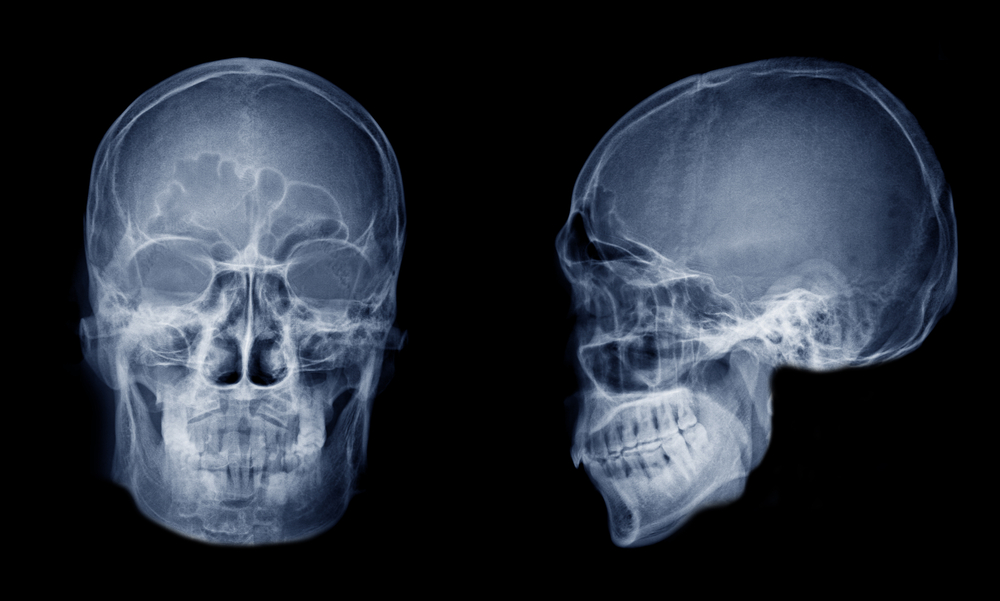
Is your jaw slowly disappearing? You may not be imagining it. Facial collapse can happen. And a dental discount plan can help discount the treatments needed to restore this structural issue.
What Is Facial Collapse?
Facial collapse is a condition where the body begins dissolving the jaw bones to use the minerals elsewhere in the body after all of a person’s teeth have been extracted. Luckily, dentures and dental implants can replace teeth after severe bone loss.
How Does Facial Collapse Happen?
Facial collapse occurs when the jaw no longer supports any teeth. It takes approximately 10-20 years for any serious changes, but it begins when the body sees no need for a jaw after severe bone loss in teeth.
Those experiencing this problem may appear to have a shriveled face. Sometimes the distance from the chin to the mouth shrinks, and sometimes the distance from the nose to the mouth shrinks. The lips may pucker as the jaws rest closer together. Preparation with a dental plan and an experienced dentist may help prevent severe cases.
Can It Be Treated?
Your face doesn’t have to remain collapsed. Several dental treatments can help halt or reverse the effects of jaw shrinkage.
- Bone Grafts. Bone grafting takes small pieces of bone from your hip and attaches them to your jaw. Artificial bone products may also be used. The surgeon may be able to fill the space and build up the lost bone.
- Dentures or Implant Hybrid Restoration. Denture or implant hybrid restoration aims to replace missing bone and tissue with restorative materials often used for other oral procedures. This could help fill out the shrunken space and increase the jaw depth. Just keep in mind that as the jaw shrinks, conventional dentures may become difficult and painful to wear because of the lack of a stable surface.
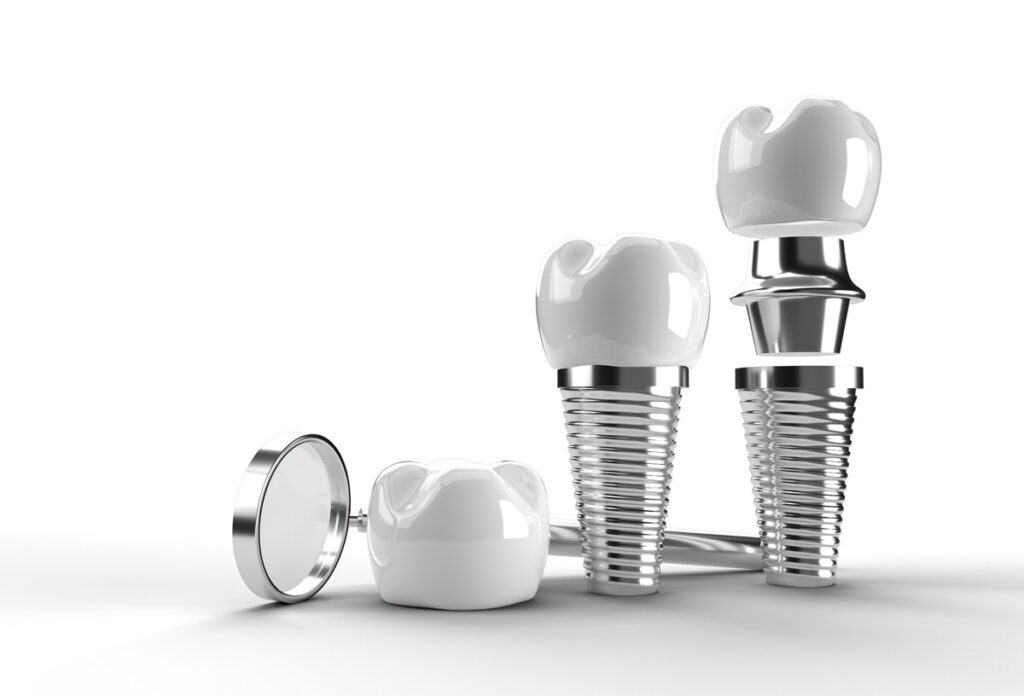
- Dental Implants. Tooth implants can be precisely placed in the jawbone to provide teeth but also stimulate the jaw. If the body knows the jaws are actually supporting teeth, it may not disintegrate the minerals as rapidly, if at all.
Affording Dental Treatment
Learn more about using a dental discount plan to help revive your bone structure and relieve the pain of shifting dentures.


I already have facial collapse due to missing teeth. I just got all on 4 done to my lower arch 4 implants. Will this bring back my structure. Ty
I’ve had full upper and lower dentures for 11 years. About 2 years ago I started noticing a dramatic change in my face. It was like I went to bed and woke up 20 years older. I just turned 40 but you would think I was 60 by the look of my face. It is the most embarrassing thing ever and it has caused me to not leave my house unless I absolutely had to. I have 5 kids who range in age from 23 down to 13 who are in different stages of life and I miss out on having pictures due to my sunken face look/facial collapse. Can I please get any information on any treatment to reverse this. Thank you