Skip to content
May 15 / Kayla

Overcoming Dental Fear

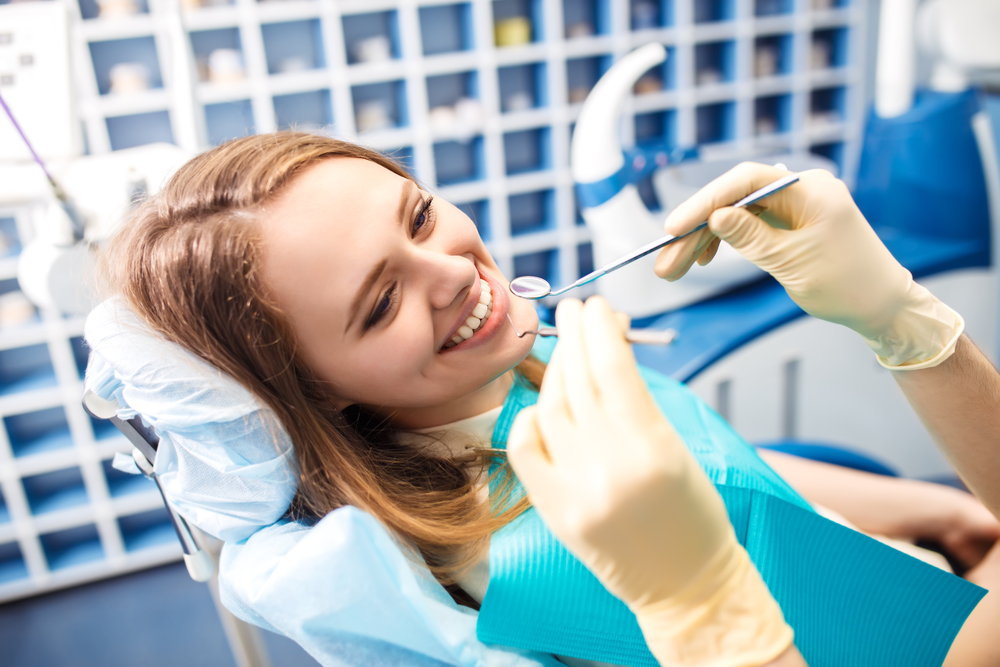
Are you afraid of going to the dentist? Studies show that about 15% of Americans suffer from dental anxiety or phobia. There are many different factors that may contribute to this fear; however, it is important to overcome dental fears, otherwise it may have a negative effect on your health. Keep reading for some tips to help set your mind at ease at the dentist.

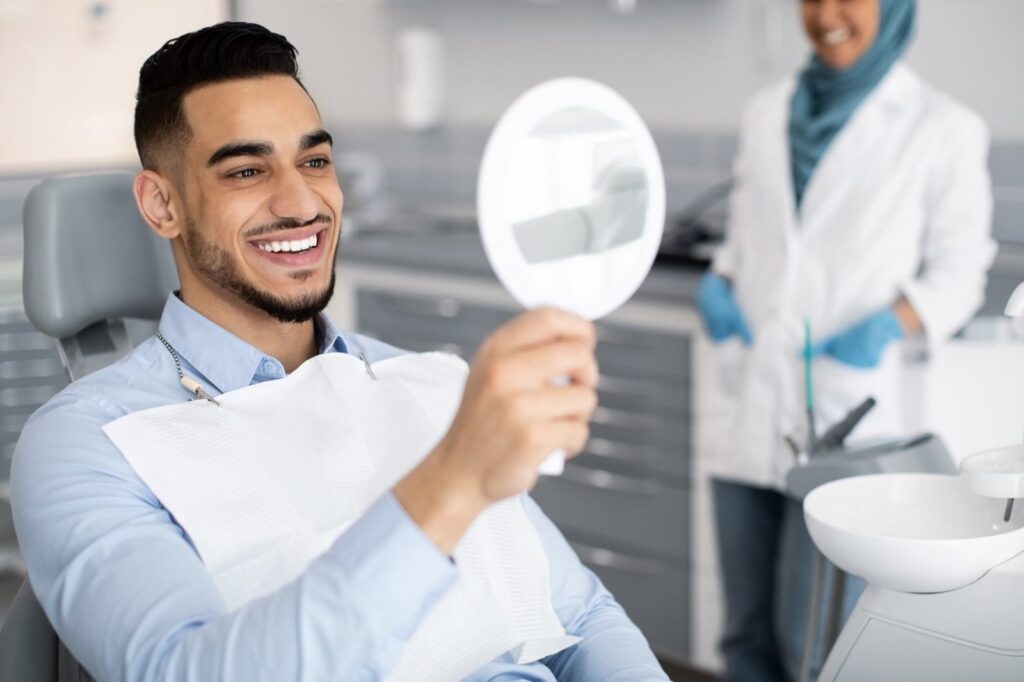
afraid of dentist

Fear of the Pain/Drill

If the fear of excruciating pain from the drill or other procedure is what’s keeping you from going to the dentist, there are some steps you can take to help make the idea less scary. First, do your research. Familiarize yourself with the procedure so that you know exactly what to expect every step of the way. Learn about the technology used; today’s advanced technology makes many procedures painless. Ask your dentist, too, as his technique may be different from what is normally done.

If you are still hesitant, keep your eyes closed and ask your dentist if you can put in your headphones and listen to music while he is working on your mouth. If you can’t see or hear what’s going on, it may help reduce any pain or discomfort you might otherwise experience.

Fear of Needles

The needle numbs your mouth for the procedure, but what numbs your mouth for the needle? If you’re afraid of that sharp needle piercing your soft gum tissue, talk to your dentist. Depending on the procedure, the dentist may be able to use another means of numbing, such as nitrous oxide. If not, he may be able to use a strong numbing gel to desensitize the area before the needle goes in. It may also help to close your eyes, so that you do not see the needle being put in your mouth.

Embarrassment

In some cases, people may be avoiding the dentist because they are embarrassed by the condition of their teeth. If you are embarrassed by your teeth, talk to your dentist. It is a dentist’s job to provide you with dental care – regardless of the state of your teeth. Chances are the dentist has seen much worse, and the only way to repair your smile is to see a dentist. Voice any insecurities you have to your dentist. He or she will be able to ease your mind about getting dental care.

Effect on Overall Health

Severe dental anxiety can have negative effects on your health. Letting fear keep you from seeing the dentist can result in poor dental health, which in turn can affect your overall health. If your teeth and gums become chronically infected, this can affect speech patterns and the ability to chew and digest properly, and even lead to heart disease. Because the effect of avoiding the dentist extends beyond dental health, it is important to overcome any dental fear and go in for regular cleanings.

Dental anxiety keeps many people from visiting the dentist, but that can have detrimental effects on oral health. If fear or nervousness is keeping you from seeing the dentist, talk to your dentist about your concerns. He or she should be able to provide you with what you need to make your experience comfortable.

May 1 / Kayla

Surprisingly Unhealthy Foods and Habits

90% of Americans think they have a healthy diet, according to a survey by Consumer Reports. However, many foods and habits that are widely considered to be healthy may actually be causing more harm than good. Are you promoting a healthy lifestyle, or are your habits hurting you more than you know? Keep reading to find out what foods and habits are surprisingly unhealthy.

Healthy food

Surprisingly Unhealthy Foods

  1. Dried fruit and nuts: Dried fruit and nuts do have some nutritional value as an excellent source of fiber, vitamin C, and healthy fats and protein. However, the fruit and nut mixtures often have a ton of added salt and sugar. They may even include other items in the mix, such as chocolate chips. All of these things combined turn an otherwise healthy snack into a health hazard. Look for mixes without added sugar or salt, to enjoy the snack without the risk. Or buy plain nuts and dried fruit and make the mix yourself!
  2. Granola: Granola is a great source of potassium, fiber and protein, but it can also be high in fat and calories. In addition, many of the items eaten with or added to granola are unhealthy, such as yogurt, chocolate or sugar. Try pairing granola with low-calorie cereals to add more nutritional value, and portion control is always key.
  3.  Bran muffin: While bran itself is very heart healthy and friendly to the digestive system, adding it to a muffin somewhat negates the nutritional value. Muffins contain a lot of sugar and fat. In fact, health expert and author Joan Salge Blake even said that a bran muffin could potentially have more calories than a donut! The best option is to head straight for the bran and skip the muffin altogether; but, if you must have the muffin, there are some recipes available for healthier muffins.
  4. Veggie patties: Veggie burgers certainly have a lot of healthy nutrients in them; however, the pre-made, frozen patties usually contain a lot of added ingredients such as yeast extract, cornstarch and gums which have little nutritional value. Check the label for the ingredients and nutrition information before buying veggie patties to make sure they are a healthy choice.
  5. Reduced fat peanut butter: You would think anything with reduced fat would be a healthier option than the fatty, regular stuff, right? While oftentimes this is the case, the fat in peanut butter is actually healthy. Removing it therefore eliminates a lot of the nutritional value. Stick with regular peanut butter, but watch your portions since peanuts tend to be high in calories.

Surprisingly Unhealthy Habits

  1. Using hand sanitizer: While hand sanitizer can be helpful for hand washing on the go, it really isn’t any more effective than soap and water. In addition, some hand sanitizing gels contain the ingredient triclosan, which can actually help promote the growth of bacteria. Look for brands that contain at least 60% alcohol which help kill bacteria more effectively.
  2. Wearing flip flops: Flip flops help keep your feet cool during the summer, but that’s about the only favor the shoes do for your feet.  Flip flops have no arch support or structural support for your feet, which can lead to strained muscles. Likewise, wearing no shoes at all can have a similar effect. For your summer footwear, opt for comfortable sandals that will provide plenty of support for your feet.
  3. Drinking bottled water: While drinking it bottled is better than not drinking water at all, only drinking bottled water is not the healthiest option. Bottled water contains no fluoride, as opposed to tap water, which does. A fluoride deficiency can lead to tooth decay, so it is important to try to get fluoride in your water. If you are concerned about what might be in tap water, you can get a purifier such as Brita or PUR. These purifiers eliminate any impurities in the water but keep the fluoride.
  4. Cleaning with disinfecting products: Cleaners that claim to be disinfectant or antibacterial may seem useful in cleaning your home, but inhaling the chemicals in these cleaners can have negative effects on your health. These products contain chemicals called quaternary ammonium compounds, which can lead to asthma if inhaled. In addition, some products also contain a cancer-causing chemical called 2-butoxyethanol. Disinfectant cleaners have not been proven to be any more effective than regular cleaners, so you may want to stick with those if you are concerned about the health risk.
  5. Overbrushing your teeth: Brushing your teeth is definitely a good thing, but brushing them too hard or too often can be damaging to the enamel, making teeth more prone to tooth decay. Dentists recommend brushing for two minutes, 2-3 times a day with a soft bristled brush to avoid potential damage. If needed, you can rinse away any food particles left over from eating with a glass of water in between brushings.

Eating well and avoiding harmful habits is essential to maintaining a healthy lifestyle.  Therefore, it is important to be aware of what could potentially have a negative influence on your health. To find out more about what you can do to be healthier, talk to your doctor.

Apr 17 / Kayla

Tips for Proper Dental Care

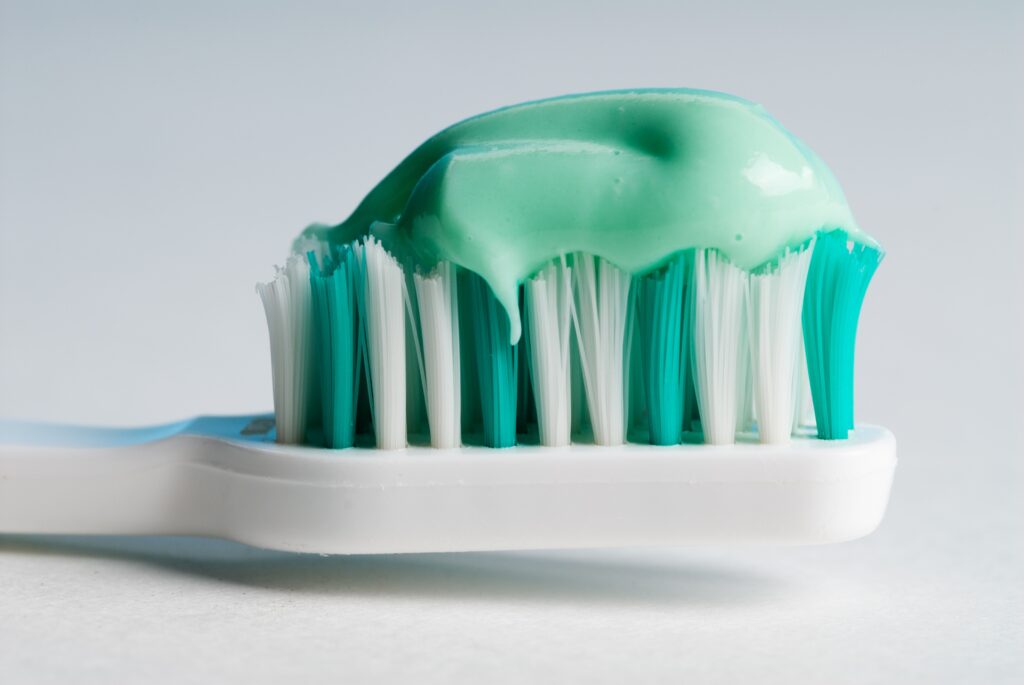
brushing teeth with toothpaste

Dental hygiene is very important to overall health. However, dental care is most effective when done properly. Many people do not realize that they are taking care of their teeth incorrectly. If you’re worried you might be one of these people, read on to discover some helpful tips on proper dental care.

The Proper Way to Brush

Brushing teeth is a daily task. However, many people are unaware that there is a right and wrong way to brush their teeth. In fact, according to a survey by Men’s Health News, 90% of people brush their teeth wrong. Here’s the proper way to brush your teeth, starting with choosing the right toothbrush.

Your Toothbrush

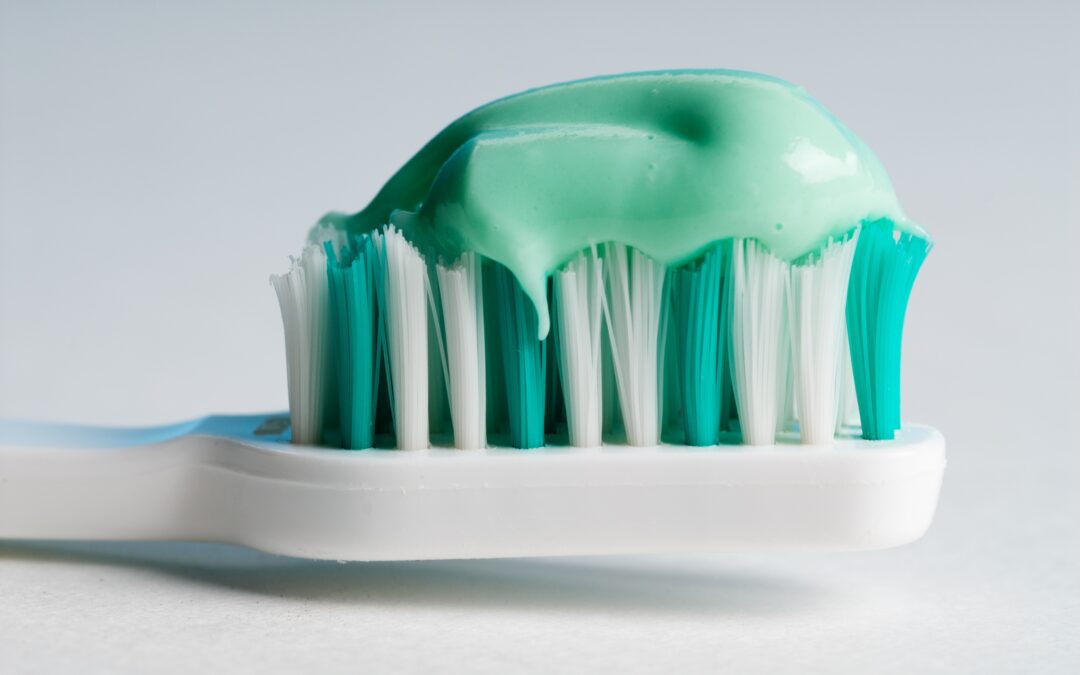
Certain toothbrushes are better for your oral health than others. Choose a toothbrush that is comfortable for you to use, because the more comfortable it is for you, the more likely you are to brush your teeth. Many sizes and handle varieties are available, but these things are a matter of preference. The bristles, however, should be soft. Hard bristles are abrasive and can damage enamel.

In addition, your toothbrush should be stored in an environment that allows it to completely dry in between uses. Toothbrush cases and caps are great for storing your toothbrush during travel, but should not be used immediately after use as they will lock in the moisture, increasing the chance of bacterial growth. Don’t let this fact tempt you to skimp on rinsing your brush after each use, though; leaving the toothbrush un-rinsed can cause bacteria to grow, as well. In addition, you should replace your toothbrush every 3-4 months, as it becomes worn out and is no longer as effective.

How to Brush

Brushing should be done a minimum of twice daily, at morning and at night. Too much brushing, however, can wear away enamel and irritate gums. To prevent this, professionals discourage brushing more than three times a day.

Brushing should take a total of about two minutes, spending about 30 seconds on each quadrant of the mouth. When brushing, the brush should be held at a 45 degree angle, using short strokes in a circular, up and down motion. Many people move their brush horizontally, but this can wear ridges in your enamel that cause teeth to become dull and rough. Don’t forget to get the inner surfaces of your teeth and your tongue, too!

The Proper Way to Floss

Flossing is often neglected, but is an essential part of your daily oral hygiene routine. Flossing gets in the tight spaces that your toothbrush can’t fit into. In addition, flossing has also been linked to the prevention of diabetes and other diseases. However, flossing is only effective when performed correctly; otherwise, it may cause more harm than good.

Choosing the Right Floss

There are many different types of floss available. You should use either nylon floss, which is multifilament, or PTFE (polytetrafluoroethylene) floss with one filament. While the nylon floss is much cheaper, its many filaments make it easy for the floss to tear or shred while in use. PTFE floss is one strand and therefore can easily slide in and out of tight spaces; however, it can be very expensive.

Floss is available in either waxed or unwaxed. Both are effective, so the choice is up to you. It is better to use regular floss instead of harps or Waterpiks, however, as it is the most effective.

How to Floss

To floss, cut off about 18 inches of floss. Wrap the ends around both of your middle fingers until only about 1-2 inches remains. Place in between two teeth and begin flossing in an up and down motion. Curve the floss around the base of each tooth to get any bacteria along the gum line. When you are done, work the floss back down from in between the teeth and go to the next tooth. Be sure to always use a clean section of floss for each tooth, or else you will just be putting bacteria back in your mouth.

Flossing should be done once a day, either in the morning or at night. Some say that flossing should be done before brushing, because the bacteria and food particles removed with floss could be blocking the tooth’s exposure to fluoride if brushing is done first.

The Proper Way to Use Mouthwash

Mouthwash is probably the most overlooked part of oral hygiene with only 31% of adults claiming to use mouthwash. However, while mouthwash is not a necessary part of oral hygiene, it is very beneficial in killing extra bacteria missed from brushing and flossing. It also helps to freshen breath and strengthen teeth.

Choosing Your Mouthwash

There are many types of mouthwash available: fluoride, antiseptic, cosmetic, and more. There is no one “right” mouthwash, so you should choose the one that best fits your dental needs. However, make sure that whichever mouthwash you choose is non-alcoholic. Alcohol dries out your mouth, which can promote the growth of bacteria because saliva has anti-bacterial properties. Mouthwash that contains alcohol could actually cause more harm than good, so be sure to stay away from alcohol based products.

How to Use Mouthwash

After you’ve brushed and flossed, measure out 20mL of mouthwash and gargle the liquid for 45-60 seconds. Be careful not to swallow any of the mouthwash. After you are finished gargling, spit the mouthwash out and rinse with water, unless stated otherwise in the directions on the bottle. It is best not to eat or drink anything for 30 minutes after use for maximum effectiveness.

If you use a mouthwash, you should use it one to two times a day. It can be used at any time of day, though some say it is most effective in the afternoon so the fluoride can integrate into the tooth structure.

While brushing your incorrectly is definitely better than skipping brushing all together, it is not as effective and could potentially damage your teeth. For the best results, use the proper methods listed for brushing, flossing and using mouthwash. Talk to your dentist for more information on proper dental care.

Mar 27 / Kayla

Avoiding Allergies This Spring

March 20th marked the first day of spring this year, and for many people that means warmer weather, green grass and blooming flowers. For some, however, the beginning of spring is not as cheerful an event. To these people, spring only has one meaning – allergies.

Roughly 20% of the American population suffers from some sort of allergy. Because spring is the time of year when everything begins to bloom and grow, it is also the time of year when airborne allergies like pollen become most prevalent.  Keep reading to find out more about seasonal allergies and what you can do to avoid them.

Cause of Allergies

Have you ever wondered how allergies develop, or why you react to a particular allergen? The exact cause of allergies is unknown, but there are many factors that are thought to play a part in the development of allergies.

  • Genetics. Certain allergies can be hereditary. If one or both of your parents are allergic to something, there’s a good chance you will develop that allergy as well. However, you may not always develop the same allergy as your parents. While allergies are typically genetic, the substance you are allergic to may vary from generation to generation.
  • Age. Chances of allergy development can increase after repeated exposure to a particular substance that the body does not recognize. Therefore, experts believe that the likelihood of developing allergies increases later in life due to continuous exposure to an allergen.
  • Immune Response. Scientists also believe that how your immune system responds to certain intruders plays a part in the development of allergies. If the immune system identifies a substance that has entered the body as a dangerous intruder, it will fight to eliminate the substance and develop a sensitivity to it.
  • Your Environment. Where you live (or are) can also have an effect on allergic reactions. If a certain allergen has a high prevalence in a particular area, it is unlikely that people who live in that area will react to that substance. Because they are exposed to it often, the immune system recognizes it as a normal substance. However, if someone from a different area is exposed to that allergen, they may develop the allergy because their immune system does not recognize it.

Treating Allergies

Allergies can be treated with prescription or over-the-counter medication. Any of the following types of medicine are commonly taken for allergies:

  • Antihistamines
  • Nasal steroids
  • Decongestants
  • Expectorants such as guaifenesin

In addition, some non-medical treatments may be done to help relieve allergies. Some types of acupuncture have been known to treat allergies, as well as some over-the-counter saline sprays. You may also consider getting an air filter for your house to make sure the air that is coming in is pure. It is also a good idea to avoid going outside or to places where your allergies may be triggered.

Avoiding Allergies

If you’re prone to allergies, you may want to take extra caution during the spring months to avoid coming into contact with allergens. Try one of these helpful tips for allergy-proofing your home.

  • Close your windows and doors. In both your car and at home, open windows/doors invite airborne allergens in. Keep them closed to keep out potential allergy-causing substances.
  • Don’t use fans. Not only do fans help spread allergens throughout a room, they are also a common breeding ground for some common allergens, such as dust mites. Avoid fan usage during allergy season as it may worsen allergies.
  • Dry clothes inside. Drying clothes on a clothes line outside may attract substances to stick to clothing, causing allergies. Keep clothes allergen-free by drying them inside.
  • Wear a hat/sunglasses. If you can’t avoid going outside for the duration of allergy season, try putting on a hat or sunglasses. This will help keep allergens out of your eyes and face to avoid irritation.

If you think you may have allergies, contact your doctor. There are tests that can be taken to find out what specifically you are allergic to, and a doctor can prescribe medication as needed. While most allergies do not have a permanent cure, they are highly treatable with the proper medication and care.

Mar 20 / Kayla

Home Remedies for Dental Problems

Dental work is expensive. And while a dentist should always be seen for major issues, short-term solutions for more minor problems may be available at little to no cost. Many common household items can be used to relieve dental pain, reduce bleeding in the gums, eliminate bad breath and remove surface stains from the teeth. Keep reading to see how you can use these home remedies to improve your smile.

Dental Pain

Toothache? Try one of these home remedies to help ease the pain until you can get to the dentist.

  1. Cucumber: Cucumbers help soothe dental pain, especially if the cucumber is cold. Cut up a small piece of refrigerated cucumber and place it on your tooth to relieve the pain.
  2. Raw potato: Similarly, a refrigerated potato can also help provide relief for a toothache. Peel off the skin and cut off a small piece to place on the affected tooth.
  3. Real vanilla extract: Real (not imitation) vanilla has numbing properties that can desensitize the area around an infected tooth. Apply the vanilla to the area with a cotton ball, or swish it around your whole mouth to numb a larger area.
  4. Teabag: Tea that is high in tannic acid, such as green or black tea, helps to reduce swelling. Moisten the tea bag and microwave until it is warm. Then squeeze out the excess water and press the teabag against the painful area until it cools.
  5. Salt water rinse: Salt has many healing properties and can help ease a toothache. Dilute 2-3 teaspoons of salt in one cup of warm water. Swish the solution around in your mouth like mouthwash, and then spit it out. Repeat as needed.

Tissue Infection

An infection of the mouth tissue may include cold sores, canker sores, gingivitis or other gum disease. Mouth tissue damage can be very painful, but can easily be remedied with some simple homemade treatments.

  1. Make a rinse using hydrogen peroxide and water. Combine 1 part peroxide and 4 parts water and rinse. The peroxide will help kill any bacteria that are causing the infection, and the water dilutes the peroxide so that it is not too strong. You can also add salt to make it a saline rinse similar to what professionals use.
  2. Combine baking soda and water to make a paste and apply it to the affected tissue. Let sit for several seconds, then wash out your mouth to remove the excess paste. Baking soda helps to kill microbes in the mouth, so this should help reduce infection.
  3. Aloe vera can also help soothe inflamed tissue. Rub some on the affected area, or gargle it with a small amount of water to help reduce swelling.

Bad Breath

Bad breath is a common condition that affects about 40% of the American population. Many times, the cure is as simple as brushing your teeth, but there are also some home remedies worth trying if you need a little extra help eliminating the smell.

  1. Baking soda. While baking soda kills unwanted bacteria, it also helps to eliminate bad odors. Brushing your teeth with baking soda before brushing with toothpaste can help freshen breath and remove any odor-causing bacteria.
  2. Spices. Many spices, such as cloves, fennel or anise seeds, have odor-eliminating properties. Chewing on these spices can help disguise bad breath and give it a fresh, new scent.
  3. Gargle. Another way to eliminate bad breath is by creating your own gargle. Extracts of sage, calendula and myrrh gum can help put an end to bad breath and can all be purchased at your local health food store. Mix together equal parts of the three ingredients and gargle.

Whitening

Everyone wishes they could have a whiter smile without paying the high prices that many professional and even store-bought remedies are known for. Fortunately, there are many items right in your own home that may help brighten up a smile for little to no cost.

  1. Strawberries/Citrus: Strawberries and citrus fruits are high in acid that helps bleach teeth. Simply eating these foods will help, but you can also apply the pulp to your teeth like a whitening gel. Don’t leave it on too long though – the acid can wear away the enamel.
  2. Baking soda: Baking soda is also a great whitening agent. Its abrasiveness helps to scrub away surface stains. Try brushing with baking soda and water before toothpaste, or mix it into strawberry pulp or lemon juice and apply to your teeth.
  3. Hydrogen peroxide: This solution is also effective in whitening, and can be used simply by swishing around in the mouth. It can also be combined with baking soda to make a paste and then used as toothpaste.

For more information and homemade remedies for teeth whitening, check out our ultimate guide to teeth whitening.

Homemade remedies can be great temporary fixes, but should never be used in place of professional dental treatment. Rather, they should only be used for relief until a dentist can be seen. Be sure to alert your dentist if any complications occur, and check with him before using any home remedies.